Norfolk
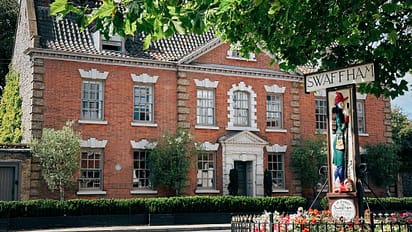
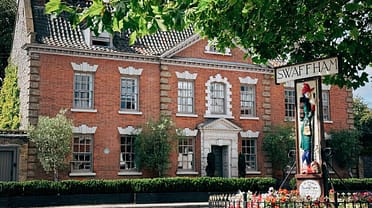
Oakleigh House
- 22 Guests
- 10 Bedrooms
- 4 Bathrooms
A stunning country style house in the centre of the Georgian market town of Swaffham. Bring together friends and family in splendid comfort and style.
Weekends From £3,300
Weeks From £10,800
Big skies, empty beaches, and houses built for escaping properly.
From coastal villages to countryside retreats, having facilitated Norfolk holiday house group bookings since 2008, our properties have it all. Heritage coastline with proper beaches, market towns with fascinating shops, pubs within walking distance, and rural settings that never feel too remote.
8 houses, sleeping 20 to 52, with weekends from £2,500.
Norfolk
A stunning country style house in the centre of the Georgian market town of Swaffham. Bring together friends and family in splendid comfort and style.
Weekends From £3,300
Weeks From £10,800
Special Offer
Norfolk
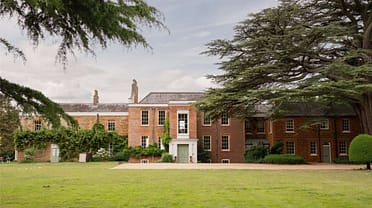
Ingoldisthorpe Hall, part of an estate on the beautiful Norfolk coast.
Weekends From £4,820
Weeks From £5,500
Special Offer
Norfolk
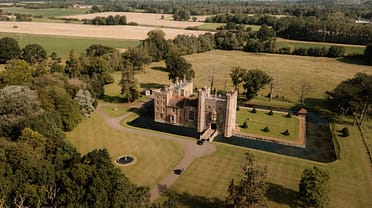
This historic 15th Century moated castle is in an impressive setting with panoramic views over the lawned gardens and rolling farmland of Norfolk.
Weekends From £8,000
Weeks From £15,000

Norfolk Quick to reply
An impressive Grade II listed property with a self-contained annexe, offering nine bedrooms, nine bathrooms and four reception rooms
Weekends From £2,500
Weeks From £4,000

Norfolk
Three slow-pottering miles from the sea, Gresham Hall is perfect for holidays with friends or family.
Weekends From £5,500
Weeks From £7,000

Norfolk
Bessingham Manor is a stunning Victorian manor house on the edge of the North Norfolk Coast, sleeping 35 across the Manor House and an extra self-contained Wing, with a main hall seating 36 for dining.
Weekends From £3,800
Weeks From £4,200

Norfolk
Hill House Norfolk is a five-star country retreat combining contemporary interiors, premium facilities and beautiful grounds.
Weekends From £4,990
Weeks From £7,940

Special Offer
Norfolk
A private country house for up to 52, where everyone stays under one roof, dines around one table, and embraces our home as your own.
Weekends From £5,250
Weeks From £9,000

There’s something about Norfolk. The light that makes everything look sharper. The way the daily tides reveal miles of untouched sand. Or maybe it’s just being far enough away from the hustle and bustle of life.
Norfolk has a whopping 90 miles of coastline scattered with houses that sleep 14 to 24 guests. You’ll find converted mills with paddocks where children can play, brick-and-flint farmhouses ten minutes from Holkham Beach, Georgian rectories in villages where the pub’s still the centre of everything, and coastal cottages in Wells-next-the-Sea where you can watch fishing boats from the window.
These are houses built for big groups. Huge gardens where adults can drink wine while children play hide and seek in the bushes. Multiple sitting rooms so the group who wants to watch rugby doesn’t disturb the group playing board games. Kitchens scaled up for proper cooking, kitted out with Agas and farmhouse tables, so that throwing a lasagne together becomes a group activity rather than a chore.
Our owners care about hospitality and the details that make your stay special.
Plan your stay directly with the people who know the property best and can share local insider tips.
No booking commission. Just one-to-one arrangements and honest pricing from the start.
Norfolk has so much to offer but is unshowy in the best way. It’s disproportionately popular with birdwatchers and groups who want big skies without big hills. There are no mountains screaming for attention, no theme parks promising magic, just endless dramatic skies, salt marshes full of seals, and Georgian market towns that transport you back to Jane Austen’s time.
Book a place on the coast and get ready for beaches that stretch for miles at low tide, coastal paths perfect for morning walks that clear your head, and enough crabbing spots to keep the kids entertained for hours.
Or head to Inland Norfolk for boating on the Broads, elegant shopping and dining, and thatched villages that turn your Instagram posts into vintage postcards. As one group noted: “From the moment we drove up the grand drive and caught sight of our home for the next few days we knew we were in for a treat. The local area is great for exploring and if you are self-catering the nearby farm store is well stocked with fresh local produce. Local villages are within easy reach, and we were lucky enough to view the seals basking in the spring sunshine at Horsey Gap.”
When it comes to property types, we have something to suit all tastes. Georgian rectories with sash windows and walled gardens. Converted barns with exposed beams and underfloor heating. Flint-faced farmhouses sheltering families for 300 years. These kitchens tend to be Aga-equipped country house style, with proper pantries, butler sinks, and sculleries that became boot rooms. Most have gardens large enough for croquet and space for parking six or more cars, all bathed in that particular East Anglian light that painters obsess over.
Norfolk attracts groups looking for a particular vibe: civilised rather than wild, cultural without being stuffy, comfortable without being flashy. Groups who want morning beach walks, afternoon pub lunches, and conversation-filled evening meals find Norfolk delivers exactly this with no pressure to do anything more.

Great website; easy to navigate and good filter system. Prices look really competitive
Richard Chalmers
Really pleased with my experience with landed houses, was searching for a large house to celebrate my 50th and landed houses had lots of good options...managed to secure somewhere for a good price and looking forward to our dates, many thanks to Edmund and the house owner for their friendly correspondence and help, Steve
Stephen Alexander
Some great houses on offer here /all new to me! Now we are planning our next big family getogether!
Tina Metcalfe
Barbara Ryan
When I was faced with having to find a large house with a pool for a family celebration at relatively short notice, Edmund at Landed Houses came straight to my aid. He responded promptly to my email enquiries, even on a Sunday, putting me in direct contact with someone who managed a property that fitted my needs; the outcome being that a superb house, with everything I need, was secured within 24 hours of my first enquiry. Many thanks, Edmund, for making the task so straightforward. If you’re looking for that special house for a party or family gathering I can recommend Landed Houses as your first port of call.
Mrs Manors
North Norfolk sits two or three hours from London by car via the A11 then the A47, making Friday evening arrivals realistic for city groups. The train to Norwich takes two hours from London Liverpool Street, then you’re looking at 30 to 45 minutes by car to our north coast properties. Cambridge sits just 60 to 75 minutes away, so groups often combine Norfolk weeks with Cambridge day trips. From Birmingham or Manchester, expect three to four hours by car.
This relative proximity means Norfolk gets weekend bookings year-round, while Scottish or Cornish properties skew towards full weeks. Our large houses in North Norfolk specifically (Burnham Market, Wells-next-the-Sea, Blakeney) attract London professionals wanting a countryside escape without marathon drives.
North Norfolk comes at a premium. Burnham Market earned the nickname “Chelsea-on-Sea” for good reason, and properties near there reflect demand from wealthy Londoners. Expect Norfolk coast accommodation to cost £5,000 to £8,000 for weekend bookings sleeping 14 to 16. For comparison, this is similar to Cotswolds pricing.
The truth is that the reputation for being expensive comes from just a few specific villages (Burnham Market, Brancaster, Holkham estate) where boutique shops and Michelin-adjacent dining have created a mini-Cotswolds. If you’re in the market for something a little less expensive, South Norfolk properties cost 20 to 30% less for similar quality. Equally, groups willing to stay 10 miles inland find around 20 to 30% better value while still being just 15 minutes from the beach.
Another tip to bring down pricing is to remember that Norfolk also offers excellent shoulder season rates. May and September still have great weather at a lower cost.
Norfolk’s group holiday appeal is more chilled that some of its counterparts around the country. You might spend your days browsing Holt or Burnham Market’s bookshops, delis, and galleries. You might do a bit of seal watching at Blakeney Point (boat trips run year-round), explore Holkham Hall and the surrounding parkland, cycle the coastal path, or browse the antique shops for a good find. Many visitors enjoy birdwatching at the RSPB reserve at Cley Marshes, crabbing at Wells, visiting Sandringham’s Royal Estate, exploring Norwich Cathedral and the city’s medieval quarter, taking a boat across the Broads from Wroxham, or munching fish and chips at Wells harbour.
It’s less about structured activity, more about going with the flow. Norfolk works for people who want nothing more than a morning beach walk, an afternoon pub lunch, and cosy evening meals at the house. It’s deliberately undemanding and leaves plenty of room for conversation (and magic) to happen.
It’s true, July and August have the best of the weather and the warmest time for sea swimming. But it is busy, at its most expensive, and can be a bit more crowded.
The good news is that Norfolk is brilliant outside the peak summer months. April and May bring blossom and fewer holiday makers. September and October have harvest festivals, still-warm days, and that golden East Anglian light. Even winter has its own appeal: empty beaches for bracing walks, wood fires, cosy pubs, and Norwich’s famous Christmas markets.
If you ask us, September and October are the secret sweet spots. The kids are back at school, meaning adult groups get bargain rates, while the weather is often as good as July. Plus, the sea has retained all that summer heat. Your toes will thank you.
Whenever you decide to come, Norfolk’s relatively low rainfall and flat terrain mean outdoor plans rarely get entirely weather-ruined, even in November.